Liquor Licenses & Employer Requirements:
The Alcohol and Gaming Commission of Ontario (AGCO) is responsible for administering the Liquor Licence and Control Act, 2019 (LLCA), which together with its regulations and the standards and requirements established by the Registrar establish the licensing and regulatory regime for most aspects relating to the sale, service and delivery of liquor in Ontario.
Among its responsibilities in the liquor sector, the AGCO licenses and regulates premises that sell or serve liquor to the public for on-site consumption. This includes premises such as bars, restaurants, lounges and night clubs, although there are no restrictions in the LLCA on the type of business that can apply for a Liquor Sales Licence. Not all liquor sales licensees are eligible to offer takeout or delivery of liquor with food.
Regulations:
Liquor License and Control Act, 2019 O. Reg. 745/21: GENERAL O. Reg. 746/21: GENERAL
Registrar’s Interim Standards and Requirements for Liquor:
The Liquor Licence and Control Act, 2019 (LLCA) came into force on November 29, 2021. It provides the Registrar with the authority to establish standards and requirements in the following areas of liquor regulation:
- The responsible sale, wholesale, supply, delivery, and consumption of liquor
- Training related to the responsible sale, wholesale, supply, delivery and consumption of liquor
- Addressing unlawful activities in licensed or permitted premises
- Licensed and permitted premises, accommodation, equipment and facilities
- Advertising and promotional activities
- Keeping of records, including financial records
- Other matters related to the conduct of licensees and permit holders or the operation of licensed or permitted premises
These standards are set out in this document, the Registrar’s Interim Standards and Requirements for Liquor (Interim Standards). Licensees and permit holders are responsible for meeting all Interim Standards that apply to their licence type or permit type, as well as all applicable laws and regulations, including the LLCA and regulations thereunder.
To help understand which Interim Standards apply to you, you can search the Interim Standards by licence, permit or endorsement type.
The Interim Standards contain:
- Certain provisions that were contained in regulations under the previous Liquor Licence Act and Liquor Control Act;
- Requirements that were previously included in Registrar policy; and
- New standards that are applicable to newly permissible activities and new areas of AGCO regulation.
The objective of a standards-based regulatory model is to shift the focus from requiring licensees to comply with a specific set of rules or processes, toward the broader regulatory outcome or objectives they are expected to achieve. Since there may be many ways for a licensee to meet a Standard, licensees have the flexibility to determine what works best for their business, thereby strengthening regulatory outcomes without needlessly burdening regulated entities.
Because these Interim Standards contain provisions from the previous regulatory regime, this document will be reviewed and revised regularly. This review process will include the engagement of stakeholders in the development of permanent standards, to ensure that regulatory risks associated with the sale, service and delivery of liquor are effectively mitigated, while providing flexibility for liquor sector businesses.
Learn more
Hours for Liquor Sale, Service and Delivery
Permissible Hours for Delivery
Permissible hours for delivery of liquor from eligible liquor sales licensed establishments, retail stores, holders of a by-the-glass endorsement or under an auction permit in Ontario, are:
- Monday to Sunday 9:00 a.m. to 11:00 p.m.
Regular hours for licensed establishments and under permits
Hours for the sale and service of liquor are:
-
Monday to Sunday 9:00 a.m. to 2:00 a.m. (except for December 31)
-
New Year’s Eve (December 31) 9:00 a.m. to 3:00 a.m. on January 1.
All orders for liquor must be served before 2:00 a.m. (3:00 a.m. on New Year’s Eve). All signs of liquor must be cleared 45 minutes after the end time on the licence; for most this is by 2:45 a.m. (3:45 a.m. on New Year’s Eve). This includes the clearing of all glasses and bottles off the tables.
In the case of authorized events of significance, licensees may sell and serve liquor within the hours specified by the Registrar.
Some licence holders may have conditions on the Liquor Sales Licence that further limit the above-noted hours.
Permit holders may only sell and serve liquor during the hours that are specified on the permit. The Registrar may restrict the above-noted regular hours as a condition of the permit. All signs of liquor must be cleared 45 minutes after the end time of the period during which liquor may be sold or served under the permit.
Learn More
Signage Requirement
Warning Sign for Consumption of Liquor During Pregnancy ("Sandy’s Law")
The Liquor Licence and Control Act requires certain premises to display a sign that cautions consuming liquor during pregnancy is the cause of Fetal Alcohol Spectrum Disorder. As required under Regulation 745/21, the warning sign must be in English (and may also be in French), at least 8 by 10 inches in size, and prominently displayed in all locations where liquor is sold and served, where customers make their own wine or beer or where liquor is purchased. Failure to comply with the signage requirements in premises licensed by the AGCO may result in administrative action by the Alcohol and Gaming Commission of Ontario (AGCO).
The following types of premises licensed by the AGCO must prominently display the warning sign in location(s) that are visible to patrons:
-
Premises to which a licence to operate a liquor consumption premises applies (i.e. restaurants, bars and other businesses licensed to sell liquor
- Premises to which an endorsement authorizing the sale and service of liquor applies (i.e. areas under a by-the-glass endorsement, brewery, winery, distillery retail store endorsement, including temporary extensions within farmer’s markets or within permitted industry promotional events)
- Premises to which a licence to operate a ferment on premises facility applies
- A retail store (i.e. grocery stores licensed to sell beer or wine, beer and cider, stores with an offsite winery retail store licence and approved Brewers’ Retail Inc. stores)
If you have questions about this requirement, please submit your question to the AGCO online via the iAGCO online portal, or call AGCO Customer Service Monday to Friday from 8:30 am to 5:00 pm at: 416-326-8700, or 1-800-522-2876 (toll-free in Ontario)
If you believe a premise licensed by the AGCO is not meeting this signage requirement, please visit the iAGCO online portal to submit a complaint. For more information on the process of submitting a complaint or inquiry, see the AGCO Complaints and Inquiries webpage. The Liquor Licence and Control Act also requires Liquor Control Board of Ontario (LCBO) stores (including Convenience Outlets) to comply with this signage requirement. As compliance with the signage requirement at these stores does not fall under the AGCO’s regulatory authority, please direct any questions or comments related to Sandy’s Law signage to the LCBO.
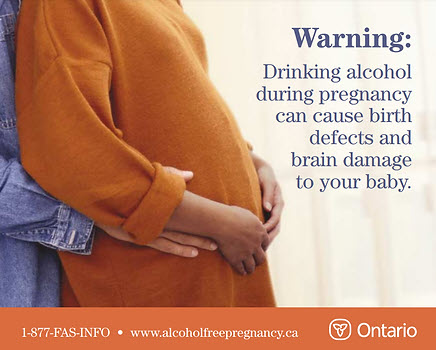
Download and printable (.pdf) copy of the "Sandy's Law" sign.
Helpful Resources
Smart Serve Ontario
 The Smart Serve responsible sales, service and delivery training program is approved by the Alcohol and Gaming Commission of Ontario (AGCO) as the only responsible alcohol training program for Ontario. Smart Serve is a dedicated advocate for a safer and healthier Ontario.
On November 9, 2021, the Alcohol and Gaming Commission of Ontario (AGCO) announced they are introducing a new 5-year Smart Serve recertification requirement, effective July 1, 2022.
Mandatory Smart Serve® Recertification Began on July 1, 2022
Since July 1, 2022, changes to the liquor framework in Ontario impacted all existing Smart Serve® certificate holders. The AGCO introduced a five-year term for all new and existing liquor training certifications. This means that anyone involved in the sale, service, delivery, or sampling of liquor must complete the Smart Serve training program every five years.
Register Now Visit www.smartserve.ca